
Essential Telecom Setup Tips for New Business Locations
Understanding Your Business Needs
When setting up a new business location, one of the first things to consider is your telecom needs. Assessing your communication requirements is essential to ensure that your team can operate efficiently. Consider the number of employees, the nature of your business, and the expected volume of calls and data usage.
Start by determining whether you need a simple phone system or a more comprehensive solution that includes internet and data services. Understanding these needs will help you choose the right telecom provider and avoid unnecessary expenses.

Choosing the Right Telecom Provider
Selecting the right telecom provider can significantly impact your business operations. Look for providers that offer reliable service and excellent customer support. Research different companies, read reviews, and ask for recommendations from other businesses in your area.
When comparing providers, consider factors such as contract terms, pricing, and the flexibility of their service packages. It's also crucial to ensure that the provider can scale their services as your business grows.
Setting Up Internet and Network Infrastructure
Reliable internet and network infrastructure are vital for any modern business. Decide whether you need a wired or wireless setup, keeping in mind the layout of your office space and the number of devices that will be connected. Invest in quality routers and switches to maintain a stable connection.
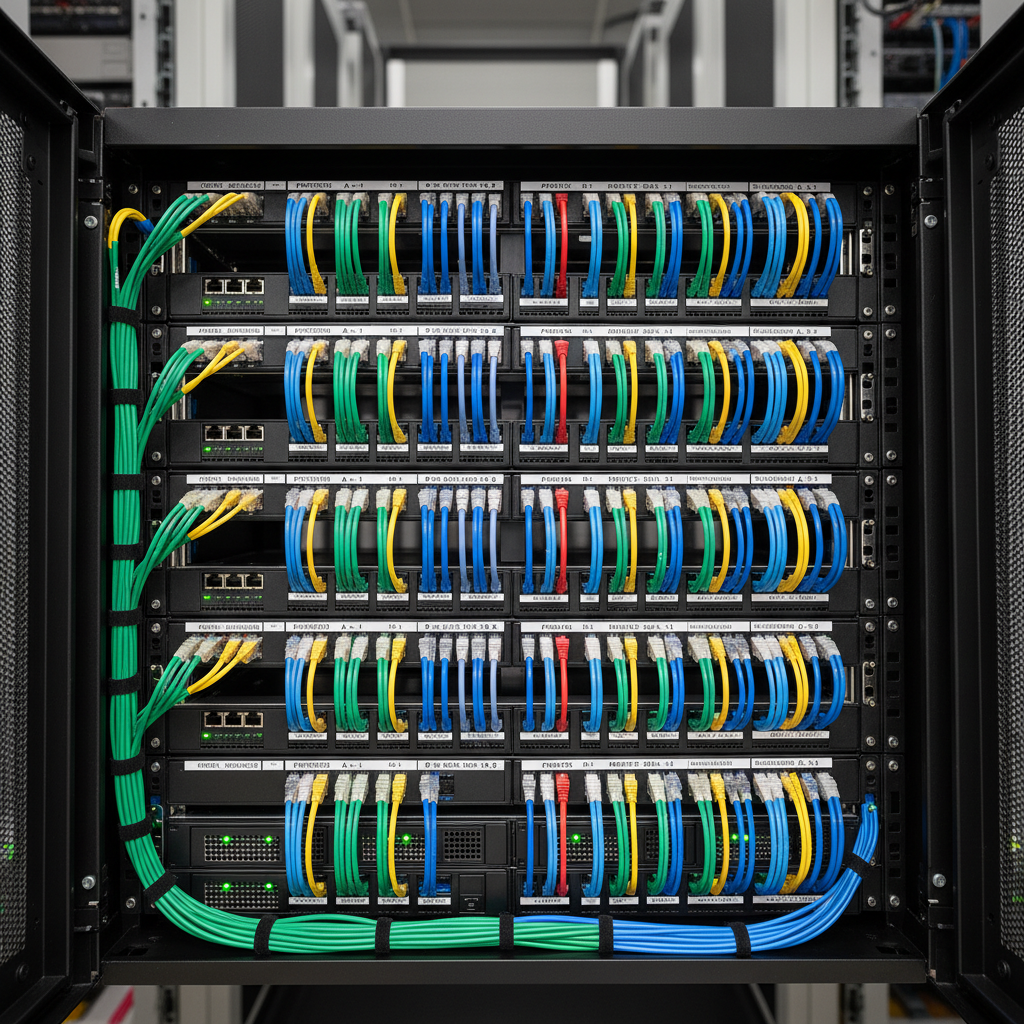
Consider implementing a secure network to protect your business data. This might include setting up firewalls, using VPNs, and ensuring regular software updates. Security should be a top priority to safeguard sensitive information.
Installing Phone Systems
There are various phone systems available, from traditional landlines to advanced VoIP systems. VoIP systems are particularly popular due to their cost-effectiveness and additional features such as call forwarding, voicemail to email, and video conferencing.
Evaluate your business needs to choose the most suitable phone system. Ensure that the system is scalable and can handle your expected call volume without compromising quality.

Ensuring Mobility and Flexibility
In today's business environment, mobility and flexibility are crucial. Choose telecom solutions that allow your team to work from anywhere. Mobile-friendly systems enable remote work and ensure that your team stays connected, even when they're not in the office.
Consider cloud-based services that offer flexibility and ease of access. These solutions often provide seamless integration with other business tools, enhancing productivity and collaboration.
Testing and Training
Once your telecom setup is complete, conduct thorough testing to ensure that everything is working as expected. Test call quality, internet speed, and connectivity across all devices.

Provide training sessions for your employees to familiarize them with the new systems. Effective training ensures that everyone can use the technology efficiently, reducing downtime and boosting productivity.
Planning for Future Needs
Finally, plan for future expansion and technology upgrades. Choose telecom solutions that can grow with your business, allowing you to add more lines, increase bandwidth, or upgrade systems with minimal disruption.
Regularly review your telecom setup to ensure it continues to meet your business needs. Staying proactive in managing your telecom infrastructure will help your business stay competitive and efficient.