Seasonal Telecom Maintenance: Preparing Your Business for Peak Performance
Understanding Seasonal Telecom Maintenance
As the seasons change, so do the demands on your telecom infrastructure. Preparing your business for these variations is crucial to ensure peak performance and uninterrupted service. Seasonal telecom maintenance involves a series of strategic actions designed to optimize your systems and prevent disruptions.
Telecom systems are subject to environmental factors such as temperature fluctuations, humidity, and severe weather conditions. These can lead to equipment failures or degraded performance. Regular maintenance can mitigate these risks, allowing your business to operate smoothly.

Assessing Your Current Infrastructure
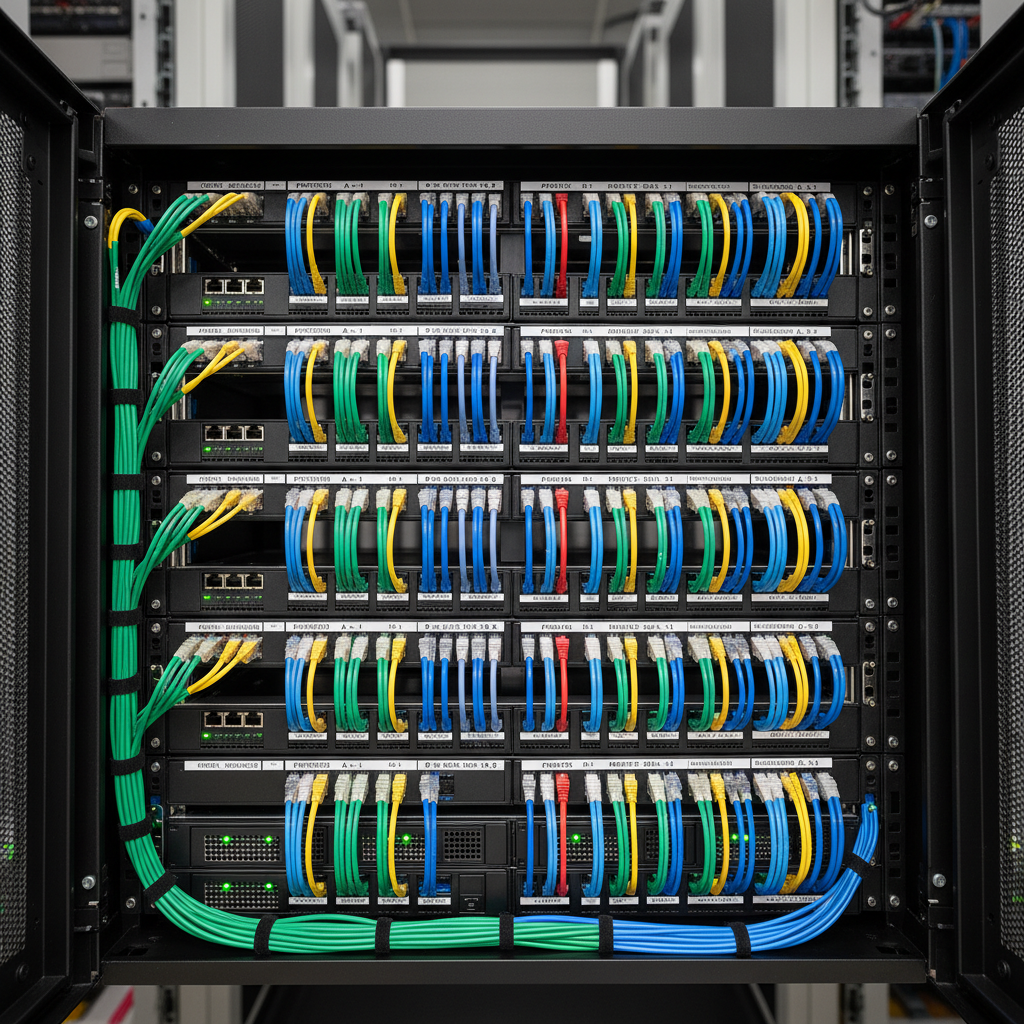
The first step in seasonal telecom maintenance is a thorough assessment of your current infrastructure. This includes evaluating the condition of cables, servers, routers, and other critical equipment. Identifying areas that require attention before they become problematic is key.
Consider conducting an inventory audit to document the status of all components. This helps in planning necessary repairs or upgrades. By understanding the current state of your infrastructure, you can allocate resources more effectively.
Implementing Preventive Measures
Preventive measures are essential to prepare for seasonal changes. These may include installing surge protectors to guard against power spikes during storms or ensuring adequate cooling systems to prevent overheating during hot months.
Regularly updating software and firmware is also critical. These updates often contain patches for vulnerabilities and improvements in performance. Keeping your systems up-to-date reduces the risk of unexpected failures.

Training Your Team
Another important aspect of seasonal telecom maintenance is ensuring your team is well-prepared. Provide training sessions on handling emergency situations, identifying potential issues early, and performing basic troubleshooting.
Equip your staff with the knowledge and tools they need to respond quickly and efficiently to any disruptions. This proactive approach minimizes downtime and helps maintain service continuity.
Creating a Maintenance Schedule
Having a structured maintenance schedule is vital for managing seasonal transitions. Outline specific tasks and timelines for inspections, updates, and repairs. This schedule should be flexible enough to adapt to unexpected challenges while maintaining regular checks.
Consider using automated tools to monitor system performance continuously. These can alert you to potential issues before they escalate, allowing for timely interventions.

Reviewing and Adjusting Strategies
After implementing your seasonal maintenance plan, it's important to review its effectiveness. Analyze performance metrics and gather feedback from your team to identify areas for improvement.
Adjust your strategies based on these insights to enhance your telecom infrastructure's resilience and efficiency. Continuous improvement ensures your business remains prepared for any seasonal demands.
Conclusion
Seasonal telecom maintenance is not just a necessary task but an investment in your business's long-term success. By proactively addressing potential challenges and optimizing your infrastructure, you ensure consistent and reliable service for your clients and stakeholders.
Embrace these practices to maintain high performance throughout the year and stay ahead of the competition.