
Top 5 Mistakes to Avoid When Setting Up Security Cameras in Your Business
Introduction
Setting up security cameras in your business is a crucial step in safeguarding your property and assets. However, many business owners make common mistakes during installation that can compromise the effectiveness of their security systems. In this post, we'll explore the top five mistakes to avoid when setting up security cameras in your business.
Not Planning the Camera Placement
One of the most common mistakes is failing to adequately plan where to place security cameras. Proper placement is key to capturing valuable footage. Consider high-traffic areas, entry and exit points, and vulnerable spots such as back doors or loading docks. A thorough assessment of your business premises can help identify these critical locations.
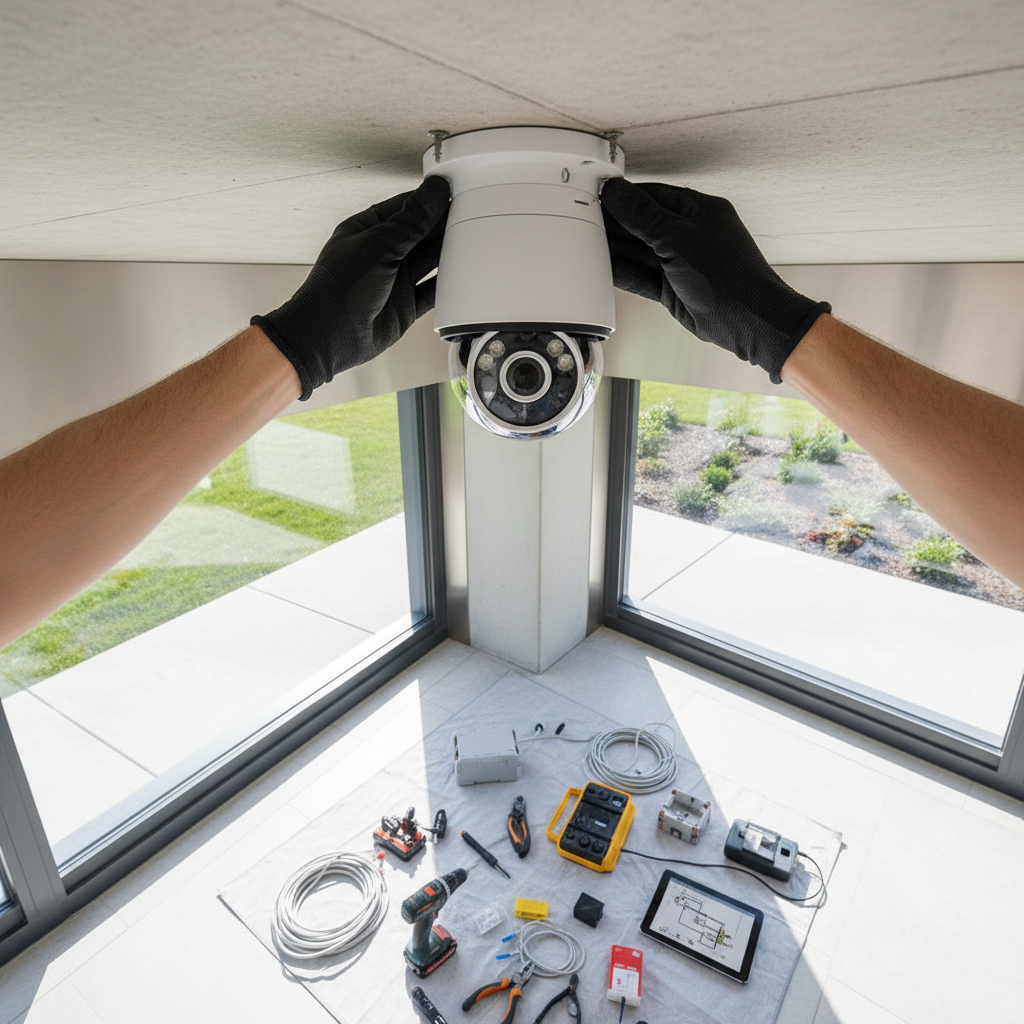
Ignoring Lighting Conditions
Lighting plays a vital role in the effectiveness of security cameras. Poor lighting can lead to unclear or unusable footage. Ensure that your cameras are suited for different lighting conditions, such as night vision for low-light areas. Adjusting camera settings or adding external lighting can significantly improve image quality.
Choosing the Wrong Camera Type
With various types of cameras available, selecting the wrong one can limit your security system's potential. Consider factors such as indoor vs. outdoor use, field of view, and resolution. Dome cameras are typically suitable for indoor use, while bullet cameras are preferred for outdoor settings because of their longer range.
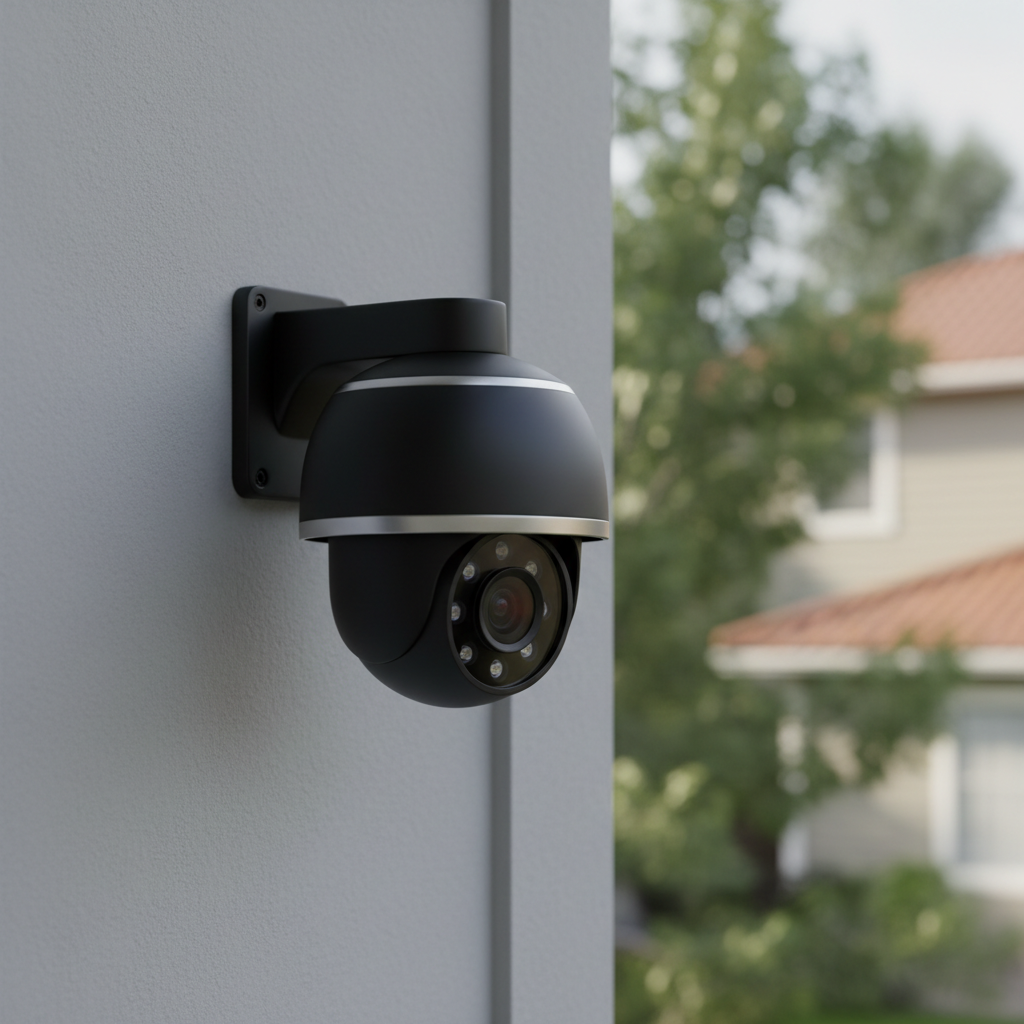
Overlooking Network Security
Once your cameras are installed, securing the network they operate on is crucial. Unsecured camera networks can be vulnerable to hacking, potentially leading to unauthorized access to your feeds. Regularly update passwords, use strong encryption, and ensure your network is protected by a firewall.
Neglecting Regular Maintenance
Another common oversight is neglecting the regular maintenance of security cameras. Regular checks and cleaning can prevent technical issues and ensure the system functions optimally. Schedule routine inspections to check for obstructions, damage, or necessary software updates.
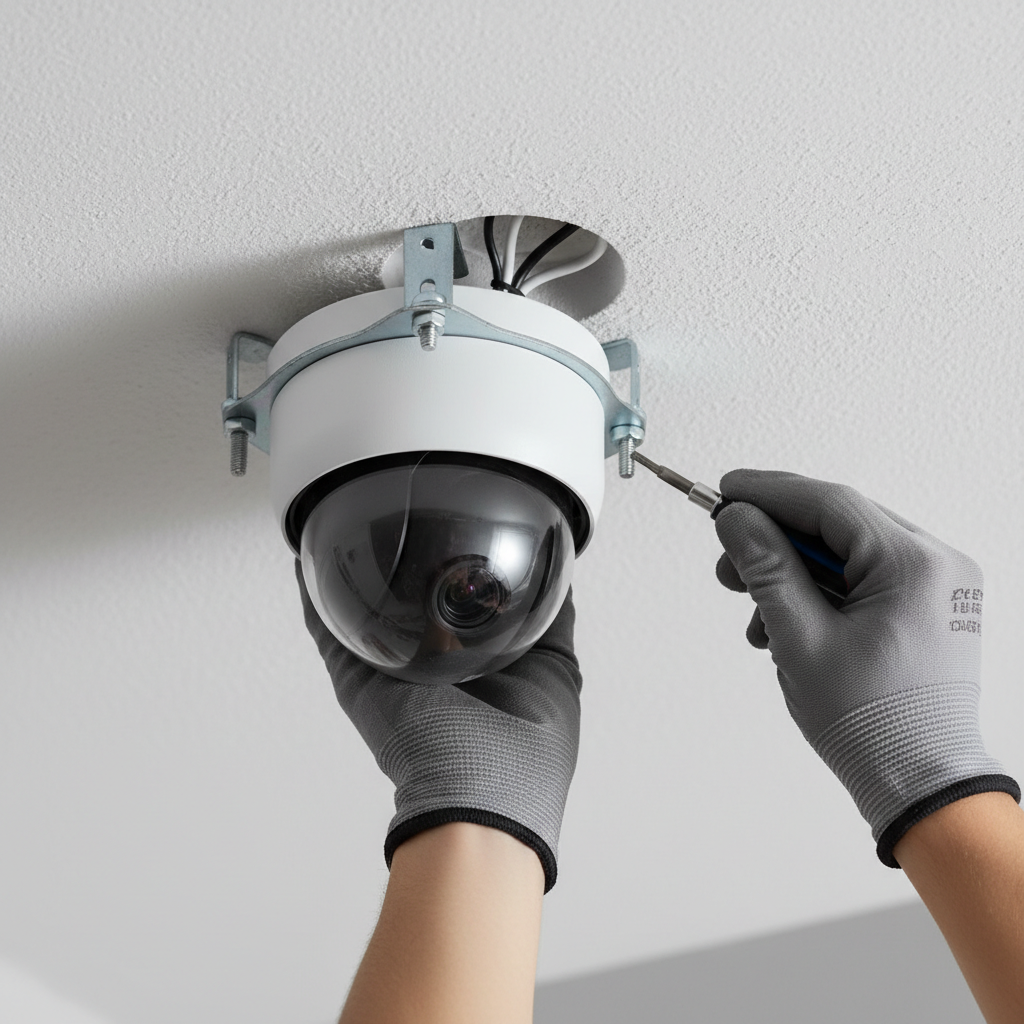
Failing to Comply with Legal Requirements
Before setting up any security cameras, it's essential to understand and comply with local laws and regulations. This includes informing employees and customers about surveillance and ensuring cameras do not infringe on privacy rights. Non-compliance can lead to legal issues and fines.
Conclusion
Avoiding these common mistakes can significantly enhance the effectiveness of your security camera system. By carefully planning placement, selecting the right equipment, securing your network, performing regular maintenance, and adhering to legal requirements, you can protect your business more effectively.