
Top 5 Myths About Low Voltage Solutions Debunked
Understanding Low Voltage Solutions
Low voltage solutions are becoming increasingly popular in various industries, yet several myths continue to circulate, potentially hindering their adoption. It's crucial to separate fact from fiction to make informed decisions about their implementation. In this blog post, we will debunk the top five myths surrounding low voltage solutions.
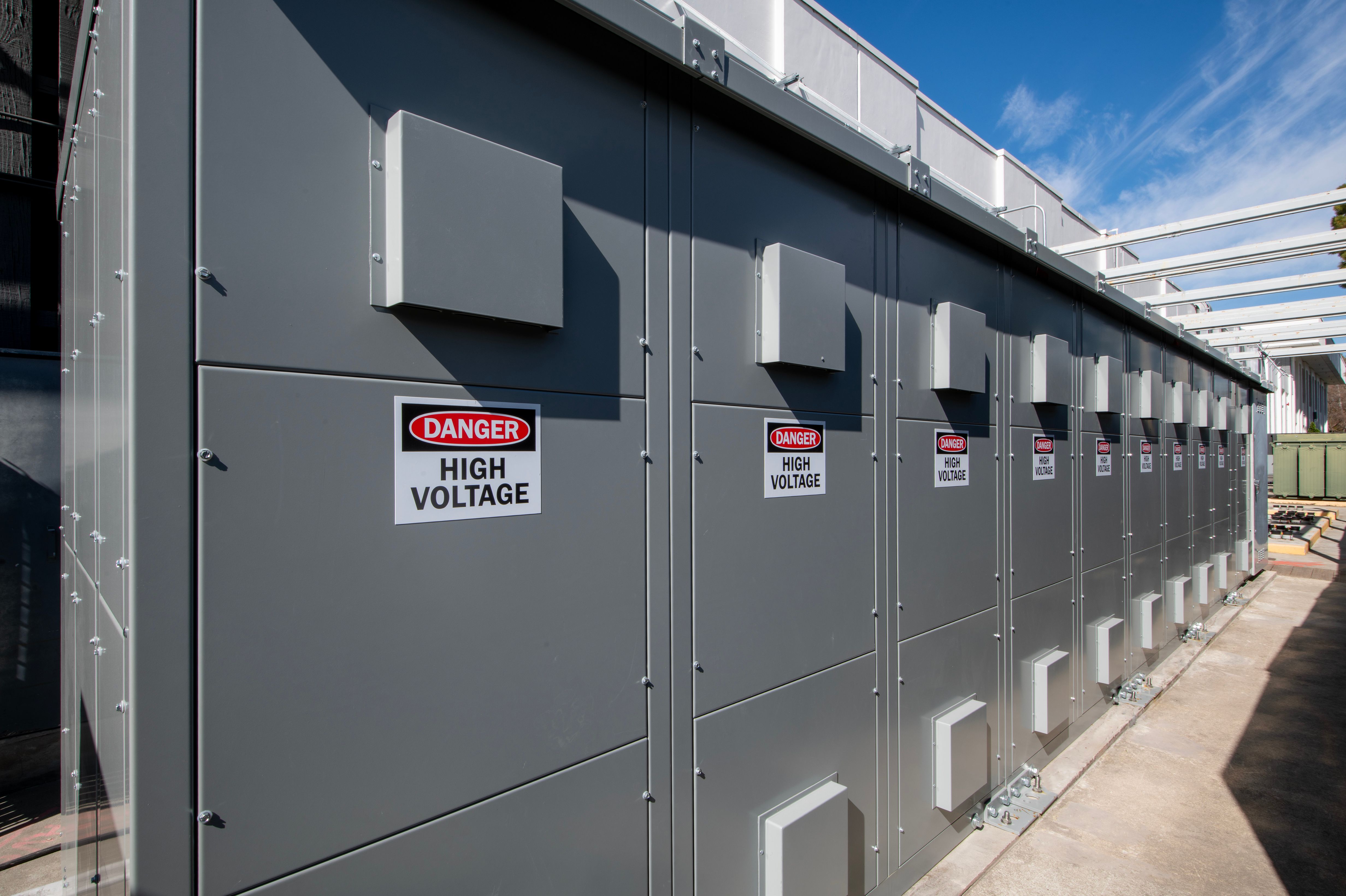
Myth 1: Low Voltage Solutions Are Only for Lighting
Many people believe that low voltage solutions are only applicable to lighting systems. While it's true that low voltage lighting is common, its applications extend far beyond this. Low voltage systems are used in security systems, audio and video setups, and even smart home automation. Understanding this can open up a world of possibilities for efficiency and innovation.
Myth 2: Low Voltage Systems Are Less Reliable
Another misconception is that low voltage systems are less reliable than their high voltage counterparts. In reality, low voltage solutions can be incredibly dependable when installed correctly. They often come with the added benefit of being safer due to the reduced risk of electrical shock. Proper installation and maintenance are key to ensuring their reliability.

Myth 3: Low Voltage Equals Low Performance
There's a belief that low voltage solutions compromise on performance. However, advancements in technology have made it possible for low voltage systems to deliver high-quality performance that rivals traditional systems. Whether it's crystal-clear audio or robust security features, low voltage doesn't mean low performance.
Myth 4: Low Voltage Solutions Are Expensive
Many assume that adopting low voltage solutions will lead to increased costs. While initial setup can be an investment, the long-term benefits often outweigh the costs. These systems are typically more energy-efficient, leading to savings on utility bills. Additionally, the reduced maintenance requirements can further decrease expenses over time.

Myth 5: Low Voltage Systems Are Hard to Install
Finally, there's a misconception that low voltage systems are challenging to install. On the contrary, they are often easier and safer to install than high voltage systems. With the right expertise or professional assistance, setting up a low voltage system can be straightforward and quick, minimizing downtime and disruption.
In conclusion, understanding the realities of low voltage solutions can help businesses and homeowners make informed decisions that enhance safety, efficiency, and functionality. By debunking these myths, we hope to encourage more widespread adoption of these versatile systems.